
Introduction
If you’re into fitness, bodybuilding, or simply living a healthier lifestyle, chances are you’ve heard of whey protein powder. It’s one of the most trusted supplements worldwide for muscle recovery and nutrition.
But here’s a strange rumor: “Is whey protein made from worms?”
This unusual claim has created confusion, especially among new users. In this blog, we’ll uncover the truth about whey protein, explore where this worm myth comes from, and explain why whey protein and worm protein are not the same thing.
What Exactly Is Whey Protein Powder?
To understand the truth, let’s start with the basics:
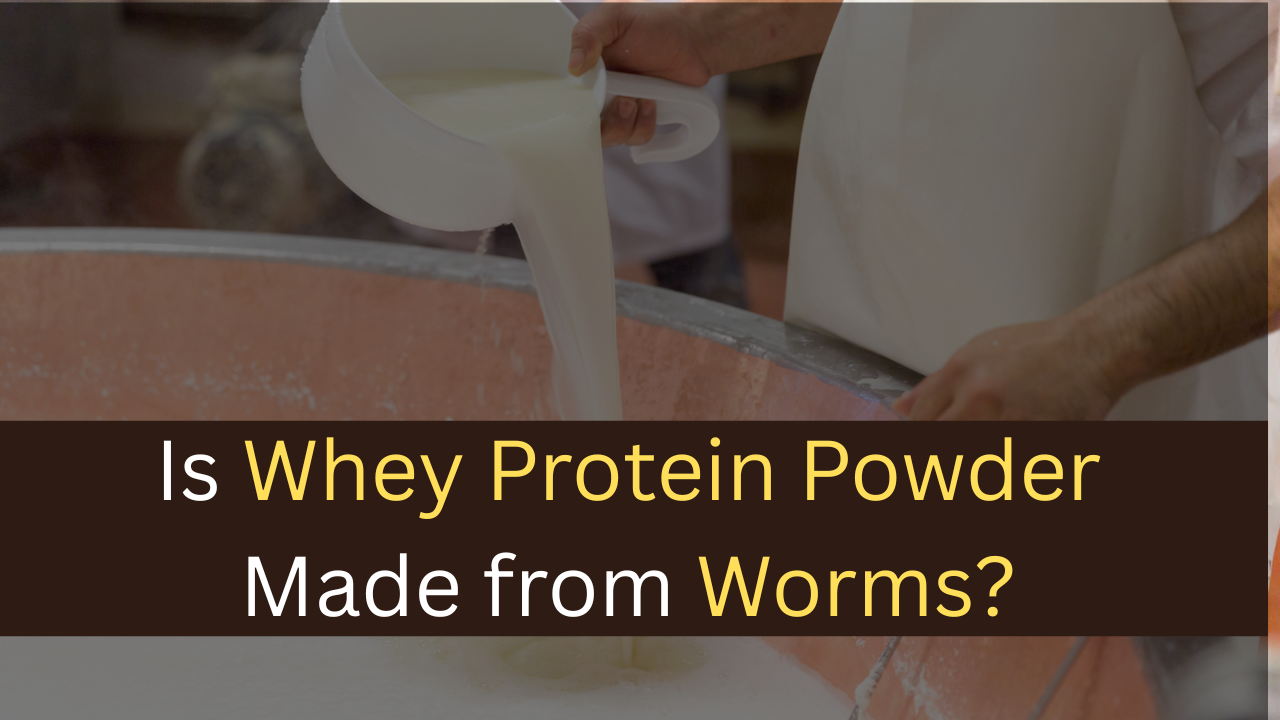
- Whey protein comes from milk.
- When cheese is produced, milk separates into two parts:
- Curds – used for cheese
- Whey – the liquid leftover
- This whey is then filtered, purified, and dried into a fine powder.
Result: Whey protein powder is a dairy-based supplement packed with complete protein, rich in essential amino acids and BCAAs.
Fact: Whey protein is NOT made from worms, insects, or any kind of creepy crawlies.
Why Do People Think Whey Protein Comes from Worms?
This strange myth didn’t come from nowhere. A few reasons may explain why:
- Insect protein exists – Companies do make sustainable proteins from mealworms or crickets. These are marketed as eco-friendly alternatives, but they are NOT whey protein.
- Misinformation online – Viral posts and misleading videos often confuse people.
- Processing confusion – Because whey protein is highly processed, some people assume unusual ingredients must be involved.
Truth: Worm protein exists, but it’s completely different from whey protein.
Whey Protein vs Worm Protein: Key Differences
To clear up the confusion, here’s a direct comparison:
| Feature | Whey Protein Powder | Worm Protein Powder (Mealworms) |
|---|---|---|
| Source | Milk (cheese byproduct) | Edible insects (mealworms) |
| Nutritional Value | High-quality complete protein, BCAAs | Protein + fiber + micronutrients |
| Digestibility | Fast-absorbing, ideal for recovery | Variable, depends on processing |
| Popularity | Mainstream, widely available | Niche, eco-friendly alternative |
| Taste | Neutral/mild, flavored options | Nutty/earthy taste, less common |
Conclusion: Whey protein comes from milk, worm protein comes from insects. They are two entirely different products.
Nutritional Benefits of Whey Protein
Why do millions of people choose whey protein worldwide? Because it offers unmatched benefits:
- Muscle growth & recovery – Thanks to its rich BCAA content.
- Weight loss & appetite control – Whey protein helps reduce cravings.
- Immune support – Contains compounds like lactoferrin that boost immunity.
- Fast absorption – Makes it the best post-workout supplement.
Whey protein is a science-backed supplement for athletes, gym-goers, and anyone who wants a convenient protein boost.
How to Identify Authentic Whey Protein Powder
With so many brands in the market, you must choose wisely. Look for:
- Label check – It should say “whey protein concentrate,” “isolate,” or “hydrolysate.”
- Trusted brands – Avoid suspiciously cheap or unbranded powders.
- Third-party testing – Certifications like NSF, Informed Choice, or Labdoor.
- Transparent nutrition facts – Genuine whey protein lists protein per serving clearly.
If a supplement doesn’t mention whey on the label, it’s not whey protein.
Final Verdict: Is Whey Protein Made from Worms?
The truth is simple:
No, whey protein is not made from worms.
- Whey protein is a milk-based supplement, safe and effective.
- Worm protein exists, but it’s a different, niche product.
If you buy whey protein from trusted brands, you’re getting high-quality dairy protein—not insects.
No, whey protein comes from milk. Worm protein powders do exist, but they are separate products.
Because insect-based protein supplements exist, some people confuse them with whey protein.
A sustainable protein powder made from mealworms. It’s not the same as whey protein.
For fitness, whey protein is better. Worm protein is more about sustainability.
Check the label, certifications, and buy only from reputable brands.
Who Should Use Whey Protein Powder?
Whey protein is ideal for:
- Athletes & gym-goers – For recovery and muscle building.
- Busy professionals – A quick meal replacement.
- Elderly people – Prevents muscle loss.
- Dieters – Helps with weight management.
People with lactose intolerance may prefer whey isolate or plant-based proteins.
Alternatives to Whey Protein
Not a fan of dairy? No problem. Here are alternatives:
- Plant-based proteins – Pea, soy, hemp, or rice protein.
- Egg protein – Made from egg whites.
- Collagen protein – Great for skin and joint health.
- Insect proteins (like mealworm protein) – Eco-friendly, but not mainstream.
Tips for Choosing the Right Whey Protein Powder
Before buying, consider:
- Protein content – At least 20g per serving.
- Additives – Avoid too much sugar or fillers.
- Type:
- Concentrate – Budget-friendly, balanced.
- Isolate – Low in carbs & lactose.
- Hydrolysate – Premium, fast-absorbing.
- Flavor – Choose unflavored if you want versatility.
Conclusion
So, is whey protein powder made from worms?
No. Whey protein comes from milk, not insects.
While worm protein supplements exist, they are separate eco-friendly products—not to be confused with whey.
Stick to reputable whey protein brands, and you’ll enjoy all the proven benefits: better muscle growth, faster recovery, and improved overall nutrition.