
Protein supplements are widely used for muscle growth, recovery, and overall health. While whey and other animal-based proteins dominate the market, plant-based protein powders are becoming increasingly popular due to their vegan-friendly, allergen-free, and sustainable nature.
In this guide, we’ll explain what plant-based protein powder is, its types, benefits, how it compares to animal protein, and how to choose the best one for your needs.
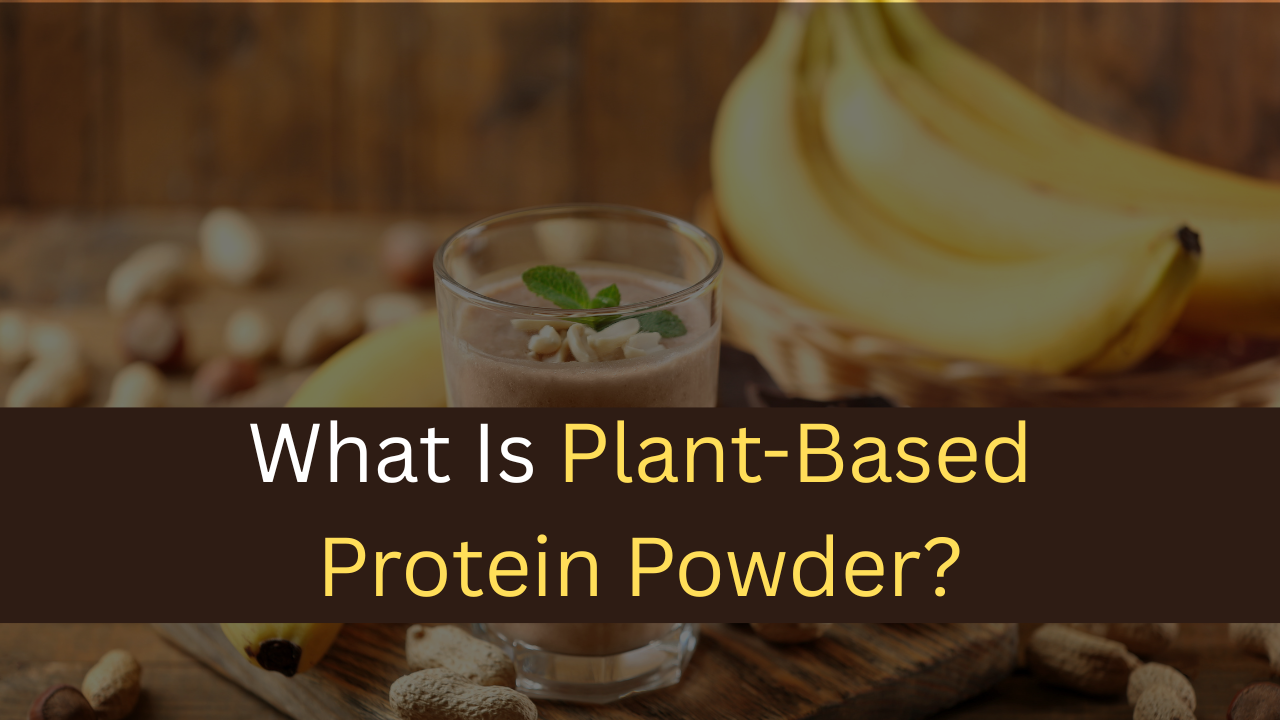
What Is Plant-Based Protein Powder?
Plant-based protein powder is a protein supplement derived from plants rather than animal sources. It provides essential amino acids needed for muscle growth, repair, and overall health.
Unlike whey or casein, which are derived from milk, plant-based proteins come from sources such as:
- Peas
- Brown rice
- Hemp
- Soy
- Pumpkin seeds
- Chia seeds
- Quinoa
These proteins are often blended to create a complete amino acid profile, since individual plant proteins may lack one or more essential amino acids.
Common Types of Plant-Based Protein Powders
1. Pea Protein
- Made from yellow split peas
- High in BCAAs and easily digestible
- Naturally allergen-free and low in fat
2. Rice Protein
- Derived from brown rice
- Hypoallergenic and easy to digest
- Slightly lower in lysine, often combined with pea protein
3. Hemp Protein
- Extracted from hemp seeds
- Contains omega-3 fatty acids and fiber
- Moderate protein content but excellent for overall nutrition
4. Soy Protein
- Complete protein with all essential amino acids
- Supports muscle growth similar to whey
- Suitable for vegetarians and vegans
5. Mixed Plant Protein Blends
- Combines multiple plant sources to ensure a complete amino acid profile
- Common combinations: pea + rice, hemp + pea + quinoa
Benefits of Plant-Based Protein Powder
1. Vegan and Allergen-Friendly
- Suitable for vegans and vegetarians
- Free from dairy, lactose, and often gluten
2. Supports Muscle Growth
- Provides essential amino acids and BCAAs, which are critical for muscle repair and recovery
- Blended plant proteins can match the efficacy of whey protein
3. Digestive Health
- High in fiber and naturally easy on the stomach
- Less likely to cause bloating compared to whey concentrate
4. Heart Health and Sustainability
- Plant-based proteins are often lower in saturated fat and may support heart health
- Environmentally friendly and sustainable compared to animal proteins
5. Weight Management
- High protein content helps increase satiety, reducing overeating and supporting weight loss goals
Plant-Based Protein vs. Animal-Based Protein
| Feature | Plant-Based Protein | Animal-Based Protein (Whey/Casein) |
|---|---|---|
| Protein Content | Moderate to High | High |
| Amino Acid Profile | May lack one or more amino acids, often blended | Complete protein with all essential amino acids |
| Digestibility | Generally good, may be slower than whey | Fast-absorbing (whey) or slow-digesting (casein) |
| Allergen Friendly | Vegan, lactose-free, gluten-free | May contain lactose and dairy allergens |
| Sustainability | Environmentally friendly | Higher carbon footprint |
| Cost | Usually moderate to high | Moderate |
How to Choose the Right Plant-Based Protein Powder
When selecting a plant-based protein powder, consider the following:
- Check the Protein Source
- Look for blends to ensure a complete amino acid profile.
- Consider Your Dietary Needs
- Vegan, lactose-free, gluten-free, or allergen-friendly powders may suit specific needs.
- Check the Ingredients
- Avoid powders with artificial sweeteners, fillers, or unnecessary additives.
- Protein Content per Serving
- Aim for 20–25 grams of protein per serving for muscle support and recovery.
- Taste and Mixability
- Some plant proteins are grittier than whey, so read reviews or try smaller samples first.
FAQs About Plant-Based Protein Powder
A: Yes, when it contains a complete amino acid profile or is a blend of multiple plant proteins.
A: Absolutely. Plant-based protein powders provide essential amino acids and BCAAs required for muscle repair.
A: Yes, it increases satiety, helps manage hunger, and supports lean muscle retention.
A: Yes, plant protein is gentle on digestion and suitable for all age groups, but dosage should be based on daily protein needs.
A: Most are, especially pea, rice, or hemp proteins, but soy may trigger allergies in some individuals.
Final Thoughts
Plant-based protein powder is an excellent alternative to animal proteins, offering high-quality nutrition, muscle support, and sustainable sourcing.
Whether you’re vegan, lactose-intolerant, or environmentally conscious, plant-based protein powders provide a convenient and healthy way to meet your protein needs. Blended plant proteins can deliver a complete amino acid profile, making them just as effective as traditional whey or casein for muscle growth and recovery.

One Response
cannabis delivery service usa and global